Mechanimix
Virtual Showroom Contact

Oil & Energy

High-performance mixing systems for refineries, petrochemical plants and power stations. API 682 mechanical seals, ATEX certified motors and ASME compliant manufacturing.

500 kW
Max. Motor Power
100,000 m³
Tank Volume
API 682
Seal Standard
ATEX
Certification
Oil and Energy Industry
OVERVIEW

Reliable Mixing Solutions for the Energy Sector

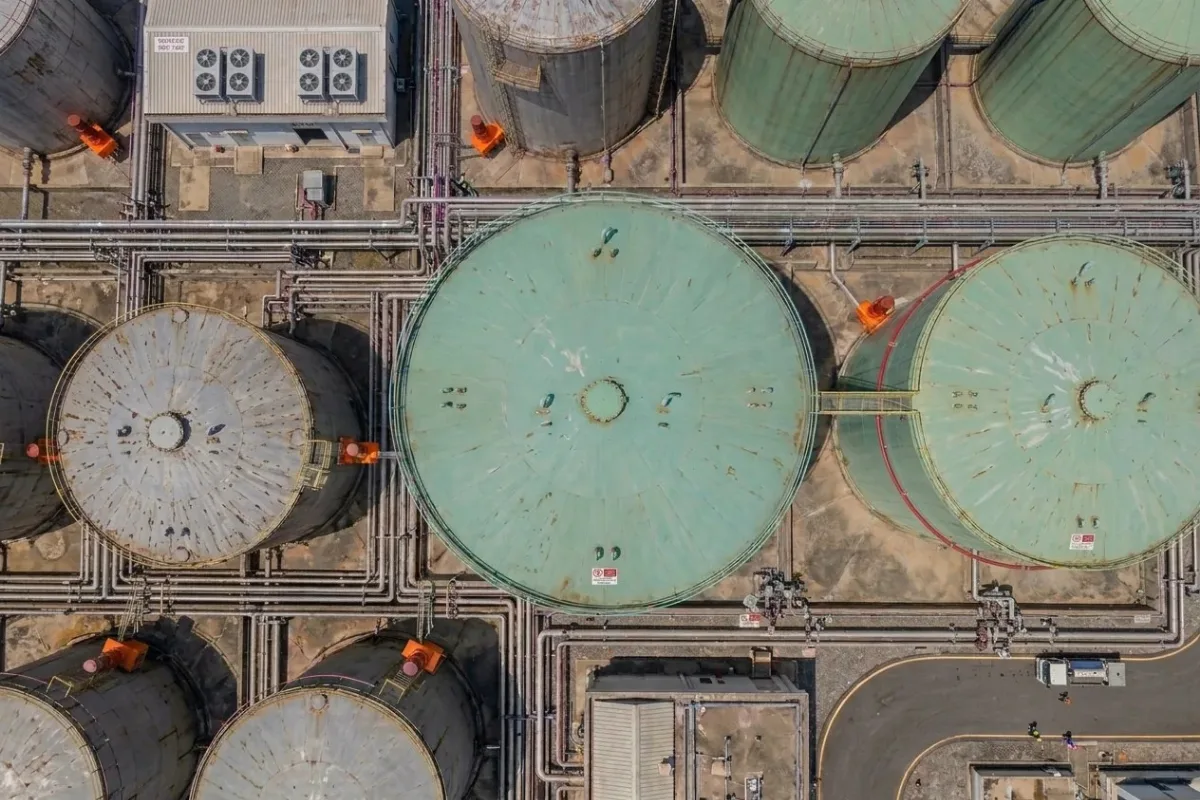
Mechanimix manufactures industrial mixers for oil refineries, natural gas facilities and power plants. We deliver high performance in product homogenization for large storage tanks, chemical blending in refinery processes, and pipeline chemical preparation.

API 682 Mechanical Seal Systems
ATEX Zone 1/2 Certified Motors
ASME & PED Compliant Manufacturing
Side Entry Tank Mixers
CFD-Driven Impeller Optimization
Remote Monitoring & SCADA Integration
APPLICATION AREAS

Application Areas in Oil & Energy

Each application area requires different mixing parameters, impeller geometry and material selection.

Crude Oil Storage

Sedimentation prevention and homogenization in large storage tanks

Refinery Processes

Mixing for distillation, cracking and blending operations

Pipeline Chemicals

Preparation of corrosion inhibitors, antifreeze and chemical additives

Power Plants

Biomass, biodiesel and wastewater treatment processes

SUBCATEGORIES

Sectors We Serve in Oil & Energy

Crude Oil Storage
Petrochemical Plants
Refinery Processes
Natural Gas Processing
Pipeline Chemicals
Biodiesel Production
Power Plants
Wastewater Treatment
LNG Terminals
WHY MECHANIMIX

Why Mechanimix for the Energy Sector?

Safety and performance are critical in the energy sector. Large-volume tanks, explosive atmospheres and demanding operating conditions require specialized engineering. Mechanimix uses CFD simulation to digitally model your process conditions and design the most efficient mixing solution.

100+
Completed Projects
30%
Energy Savings
10+
Years of Experience
8
Industry Expertise

Recommended Products for This Sector

Let us determine the most suitable mixing solution for your process conditions together

Top Entry Mixers

The most common solution for refinery reactors and process tanks. HP series for high pressure, NP series for atmospheric processes.

View Details →

Side Entry Mixers

Sedimentation prevention and homogenization in large storage tanks. Compact design delivering continuous homogeneity with low energy consumption; the ideal solution for crude oil tank farms.

View Details →

Bottom Entry Mixers

For petrochemical reactor processes where the tank top must remain clear. BED-N magnetic coupling provides zero leakage; magnetic drive ensures safe operation under high pressure.

View Details →
STANDARDS & COMPLIANCE

Compliance & Certifications

ATEX 2014/34/EU

Mixer design for Zone 1 and Zone 2 explosive atmospheres

IECEx

International explosive atmosphere equipment certification

PED 2014/68/EU

Pressure Equipment Directive; reactor and pressure vessel design

ASME Section VIII

Pressure vessel design and manufacturing standard

NACE MR0175

Material selection for corrosive environments (H₂S-containing processes)

API 682

Mechanical seal standard for the oil and gas industry

FAQ

Frequently Asked Questions

Which mixer type is used in the oil and energy sector?+
It depends on the application. VMG side entry mixers are preferred for large storage tanks, HP top entry mixers for refinery processes, and NP series mixers for chemical preparation tanks. Tank volume, product viscosity and ATEX requirements determine the selection.
Which impeller type should be preferred for high-viscosity fluids?+
For viscosities above 1000 cP, the HVM high-viscosity impeller is recommended. Its narrow blade geometry maximizes shear force near the vessel wall. Adjustable blade angles provide an advantage with non-Newtonian fluids.
When is ATEX certification required for a reactor mixer?+
ATEX is mandatory in environments containing flammable gases, vapors or dusts. Motors, sensors and control units are selected according to Zone 1 (explosive atmosphere during normal operation) and Zone 2 (abnormal conditions) classifications.
How is CFD analysis used in mixer selection?+
CFD simulation models in-tank flow patterns, dead zones, heat transfer and mixing time in advance. It eliminates the need for physical prototypes, saving cost and time. Mechanimix offers CFD validation on all projects.
What should the mixing speed be in a crystallization process?+
Controlled nucleation in crystallization requires low tip speeds (1-3 m/s) and uniform energy distribution. High shear forces break crystals; the HWM impeller provides ideal suspension with low shear. Process parameters are optimized via CFD.

Let Us Engineer a Solution for Your Energy Project

Our engineering team will analyze your energy sector projects with CFD simulation and design the most efficient mixing solution.

Get a Free Quote